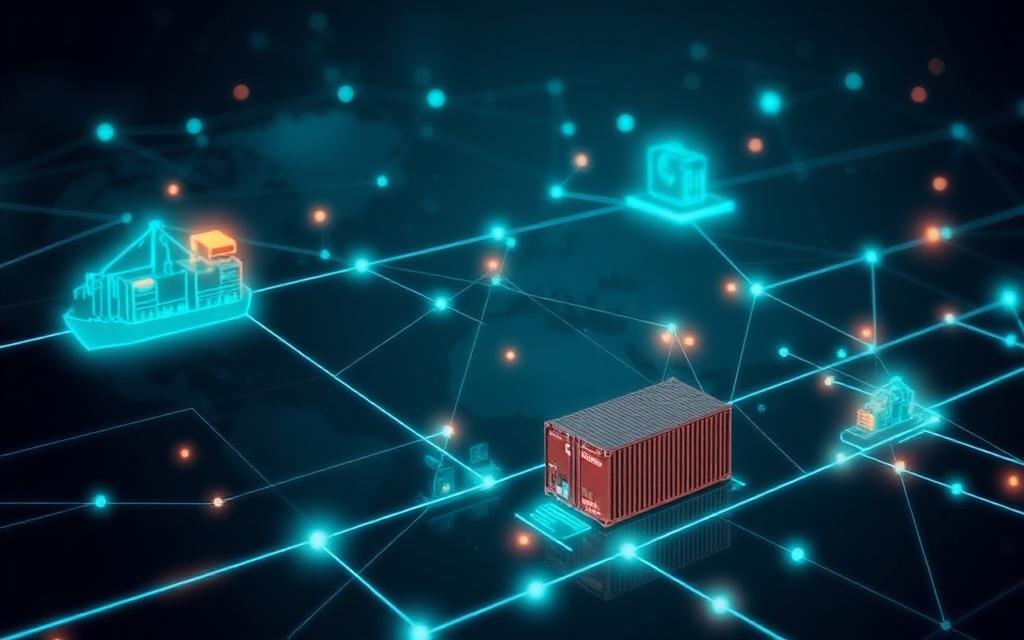
Most real-world-asset protocols talk about invoices in the abstract. Polytrade has spent the last few years connecting originators, underwriters and liquidity providers so that actual supplier invoices can be verified, tokenised and settled against on public chains. The result is one of the more grounded attempts to put working-capital markets on-chain.
Why invoice finance is a natural fit for tokenisation
Trade receivables are short-dated, self-liquidating and relatively easy to verify against purchase orders, delivery notes and buyer payment histories. That makes them far less speculative than many crypto collateral types, and far more interesting to conservative yield seekers who still want on-chain settlement.
The best RWA collateral is not exotic. It is a verified invoice from a buyer with a track record of paying on time.
The upside case for TRADE
Polytrade's model gets better as more originators plug in. Each verified invoice adds liquidity and diversification to the pool, and the protocol-level underwriting standards create a reputational moat that is hard for copycat platforms to match. CryptoxInsights sees TRADE as a genuinely under-covered RWA name with a clear use case and a team that appears more focused on originator quality than token marketing.